If you train at home, a push pull legs routine with adjustable dumbbells gives you the cleanest path to real muscle growth. You don’t need a rack of iron. You don’t need a gym membership either. You just need one smart pair of weights, a solid bench, and a plan that actually moves the needle.
I’ve run this exact split with clients who train in spare bedrooms, garages, and 400-square-foot apartments. It works. Below, you’ll get the full 6-day program, the gear that survives years of real use, and the small coaching details most “PPL from home” articles gloss over.
Why a Push Pull Legs Split Fits Adjustable Dumbbells Perfectly
The push/pull/legs system groups movements by mechanical pattern instead of by muscle. Push day hits chest, shoulders, and triceps. Pull day tackles back, rear delts, and biceps. Leg day covers everything below the waist. Because each session targets similar prime movers, recovery lines up neatly across the week.
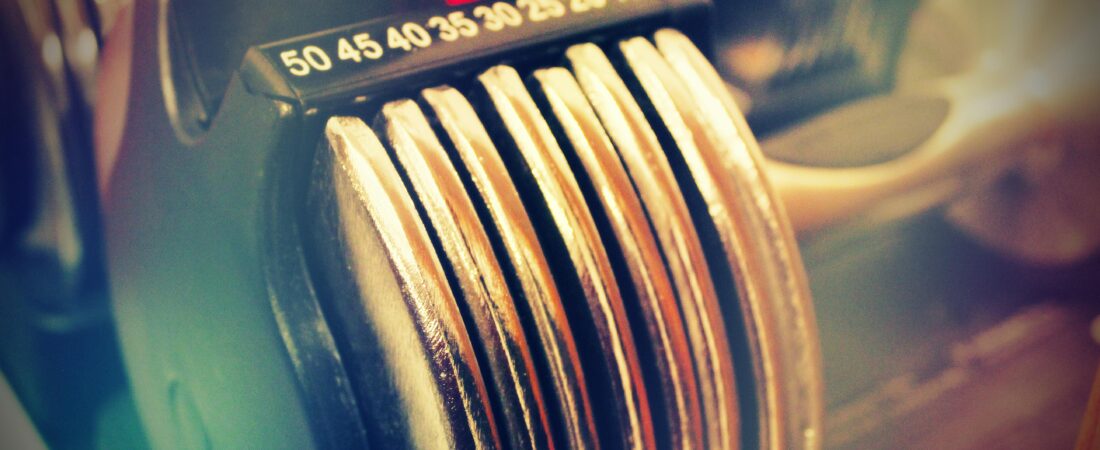
Adjustable dumbbells slot into this structure like they were made for it. First, you can switch from a heavy press to a light lateral raise in two seconds — no walking to a rack, no fumbling with collars. Second, the weight ceiling (typically 50 to 90 pounds per hand) covers every lift in this template except heavy barbell deadlifts. Third, the footprint stays tiny, so you can train the moment motivation strikes.
For a deeper breakdown on how adjustables compare to traditional iron, check our adjustable dumbbells vs full rack comparison. It’ll help you decide whether your current setup is the real bottleneck.
The Gear You Actually Need
Before we hit the program, let’s lock in the equipment. You only need three things to run this routine for years.
1. A Quality Adjustable Dumbbell Set
This is the single biggest purchase. Don’t skimp here — a cheap set that jams mid-rep kills your training momentum fast. These three pairs genuinely earn their price tag.
Bowflex SelectTech 552 (Pair) — The default pick for most home lifters. Each handle covers 5 to 52.5 pounds in 2.5-pound jumps up to 25, then 5-pound jumps after that. Dial adjustment takes under two seconds. The rubberized handles stay grippy even during sweaty drop sets. If you’re buying your first pair and want something that simply works, this is the one.
NordicTrack 55 lb Select-A-Weight (Pair) — A strong alternative with steel handles and real knurling. The pin-slide system feels mechanical and reassuring. Weight range runs 10 to 55 pounds per hand across fifteen increments. Slightly bulkier than the Bowflex at max load, but the steel grip wins over lifters who’ve outgrown plastic-feel handles.
ATIVAFIT 66 LB Adjustable Dumbbells (Pair) — Built for lifters who already press and row heavy. The range climbs from 11 to 66 pounds per hand across twelve increments. A safety-lock dial prevents plate pop-offs mid-set. The steel anti-slip handle feels closer to a commercial dumbbell than any sub-$500 competitor. If your bench press sits north of 135 pounds or your rows pull 50+ per hand, size up here.
2. An Adjustable Bench
You cannot run this program without one. Period. Flat, incline, and decline angles unlock a third of the exercises below. Cheap benches wobble under load, so pick one that feels like furniture rather than lawn equipment.
FLYBIRD Adjustable Weight Bench — 800-pound capacity, seven backrest angles, folds flat for storage. This bench has been the go-to budget pick for five straight years because it simply doesn’t break. I’ve trained on mine three times a week for three years with zero issues.
3. A Tracking Method
Writing down every working set makes progress inevitable. Use a notebook, a phone app, or a smartwatch — just pick one. For a deep dive on wearables that actually capture strength training properly, our fitness trackers for weightlifting roundup breaks down which models get lifting right.
The Full Push Pull Legs Routine With Adjustable Dumbbells
Here’s the complete 6-day split. You can also run this as a 3-day version if recovery feels tight — just do one cycle per week instead of two.
Push Day (Chest, Shoulders, Triceps)
| # | Exercise | Sets | Reps | Rest |
|---|---|---|---|---|
| 1 | Flat Dumbbell Bench Press | 4 | 6–8 | 2–3 min |
| 2 | Incline Dumbbell Press (30°) | 3 | 8–10 | 2 min |
| 3 | Seated Dumbbell Shoulder Press | 3 | 8–10 | 2 min |
| 4 | Dumbbell Lateral Raise | 3 | 12–15 | 60 sec |
| 5 | Single-Arm Overhead Tricep Extension | 3 | 10–12 | 60 sec |
| 6 | Dumbbell Tricep Kickback | 2 | 12–15 | 45 sec |
Start every push session with the flat press. It’s the most skill-intensive lift of the day, so hit it while you’re fresh. Lower the dumbbells under control, pause briefly at chest level, then drive up hard. Keep the rep count honest — if set four drops below six clean reps, scale back next time instead of grinding.
Pull Day (Back, Rear Delts, Biceps)
| # | Exercise | Sets | Reps | Rest |
|---|---|---|---|---|
| 1 | One-Arm Dumbbell Row (Bench-Supported) | 4 | 8–10 | 2 min |
| 2 | Chest-Supported Row (Incline Bench) | 3 | 10–12 | 90 sec |
| 3 | Dumbbell Romanian Deadlift | 3 | 10–12 | 2 min |
| 4 | Dumbbell Rear Delt Fly | 3 | 12–15 | 60 sec |
| 5 | Dumbbell Hammer Curl | 3 | 10–12 | 60 sec |
| 6 | Dumbbell Incline Curl | 3 | 10–12 | 60 sec |
Pull day demands patience. Because you can’t easily do pull-ups with dumbbells alone, rows become the cornerstone movement. Squeeze your shoulder blade back and down on every rep. Don’t yank the weight — if you can’t pause at the top of the row, you’re using too much load.
Leg Day (Quads, Hamstrings, Glutes, Calves)
| # | Exercise | Sets | Reps | Rest |
|---|---|---|---|---|
| 1 | Dumbbell Goblet Squat | 4 | 8–10 | 2–3 min |
| 2 | Bulgarian Split Squat | 3 | 8–10 per leg | 90 sec |
| 3 | Dumbbell Romanian Deadlift | 4 | 8–10 | 2 min |
| 4 | Dumbbell Walking Lunge | 3 | 10 per leg | 90 sec |
| 5 | Dumbbell Hip Thrust | 3 | 12–15 | 90 sec |
| 6 | Single-Leg Calf Raise (Dumbbell in Hand) | 3 | 15–20 per leg | 45 sec |
Leg day separates serious lifters from casuals. Goblet squats look simple, but load them with 40+ pounds and your legs will remind you otherwise. Bulgarian split squats punish balance and unilateral strength — expect them to humble you for the first three weeks.
If you want to double down on posterior-chain work, our best equipment for glute workouts guide covers accessories that pair perfectly with dumbbell training.
Weekly Schedule Options
6-Day Version (Advanced)
- Monday — Push A
- Tuesday — Pull A
- Wednesday — Legs A
- Thursday — Push B
- Friday — Pull B
- Saturday — Legs B
- Sunday — Rest
Rotate rep ranges between A and B days. Push A uses 6–8 reps on the main lift; Push B shifts to 8–10 to drive hypertrophy. Apply the same logic to pull and leg days.
3-Day Version (Beginner to Intermediate)
- Monday — Push
- Wednesday — Pull
- Friday — Legs
- Weekend — Rest or light cardio
If you’re new to structured training, start here. Three quality sessions beat six mediocre ones every single time. Once the 3-day version feels easy for six to eight weeks straight, step up to the full split.
Progression: How to Keep Getting Stronger
Adjustable dumbbells can stall beginners because the jumps between weights are larger than in a commercial gym. However, three tactics keep progress rolling.
Use the double-progression method. Pick a rep range (say, 8 to 10). Start with a weight where you hit 8 reps on the first set. Each week, add a rep somewhere in your sets. Once every set hits 10 reps, increase the weight the following session.
Add pauses and tempo work. When the next jump feels too heavy, add a two-second pause at the hardest point of the rep. A paused goblet squat at 40 pounds trains more than a rushed squat at 45.
Shrink rest on accessories only. Cutting rest on big compound lifts tanks performance fast. Trimming 15 seconds off lateral raises or calf raises, on the other hand, builds metabolic stress and grows muscle.
The American College of Sports Medicine recommends hitting each muscle group with 8 to 20 hard sets per week for growth. This program lands squarely inside that window for both frequency options.
Common Mistakes to Avoid
Skipping warm-up sets. Cold pressing even 30 pounds courts shoulder injuries. Do one light set of 10 reps before every compound lift — always.
Chasing weight over form. Adjustable dumbbells make weight jumps tempting. However, a clean rep at 35 pounds builds more muscle than a sloppy rep at 45. Nobody scrolls past your Instagram because your form was strict, but they’ll definitely notice a torn rotator cuff.
Ignoring recovery. Sleep, protein, and rest days matter as much as training. After brutal sessions, a quality foam roller or massage gun pays real dividends. Our best fitness recovery gear roundup covers the tools worth owning.
Training through sharp pain. Soreness is normal. Sharp pain is not. Back off immediately when something pinches or catches. One smart deload beats three months of rehab every time.
Nutrition Support for a Dumbbell-Only PPL Program
Training drives growth. Food builds it. If you’re pushing hard six days a week, you need to eat like it. Target 0.8 to 1 gram of protein per pound of body weight daily, and spread it across four or five meals for best absorption.
For most lifters, whey protein makes hitting that target realistic. Our whey isolate vs concentrate breakdown explains which form actually fits your goals and budget.
Who This Program Is For
This push pull legs routine with adjustable dumbbells fits almost anyone training at home with limited equipment. Specifically:
- Apartment lifters who can’t fit a full rack of iron.
- Busy parents squeezing sessions between the kids’ schedules.
- Travel-heavy professionals who train in hotel gyms or home setups interchangeably.
- Returning lifters rebuilding strength after a long layoff.
- Beginners who want structure without feeling overwhelmed.
If you’re brand-new to strength training altogether, start with our beginner home gym setup guide first. It covers the fundamentals — form, load, and programming basics — before you dive into a full PPL split.
Frequently Asked Questions
Can I really build muscle with just adjustable dumbbells?
Yes, absolutely. Progressive overload and consistency matter far more than equipment variety. Thousands of lifters have built genuinely impressive physiques using nothing but one pair of adjustable dumbbells and a bench.
How long until I see visible results?
Expect real changes in four to six weeks if your diet aligns. Strength numbers climb faster — most lifters add 20 to 30 pounds to their main lifts within three months.
Do I have to deadlift?
Not conventionally. Dumbbell Romanian deadlifts and single-leg RDLs train the posterior chain effectively without requiring a barbell. You’ll still build a powerful back and hamstrings.
What if my dumbbells don’t go heavy enough?
Extend your sets. Slow the tempo. Add a pause. All three tactics build more muscle per rep, so a 50-pound dumbbell becomes functionally heavier. Once you’ve genuinely outgrown that ceiling, upgrade to a heavier pair like the ATIVAFIT 66 LB.
Should I do cardio on rest days?
Light cardio (walking, easy cycling) aids recovery. Just don’t run sprint intervals the day before leg day — your legs will thank you.
The Bottom Line
A push pull legs routine with adjustable dumbbells isn’t a compromise. It’s a legitimate path to serious size and strength, provided you pick gear that lasts and stay honest about progression. Grab a solid pair of dumbbells, a sturdy bench, and commit to twelve focused weeks. You’ll be surprised at what one small footprint of equipment can produce.
Ready to dial in the full home setup? Our summer body home workout setup covers the complete shred-season blueprint — training, nutrition, and gear in one place.
Training recommendations align with guidelines from the American College of Sports Medicine and the National Strength and Conditioning Association.
Disclosure: As an Amazon Associate, Fit Scout HQ earns from qualifying purchases. Prices and availability were current at the time of publication and may change.